CAPACITY BUILDING

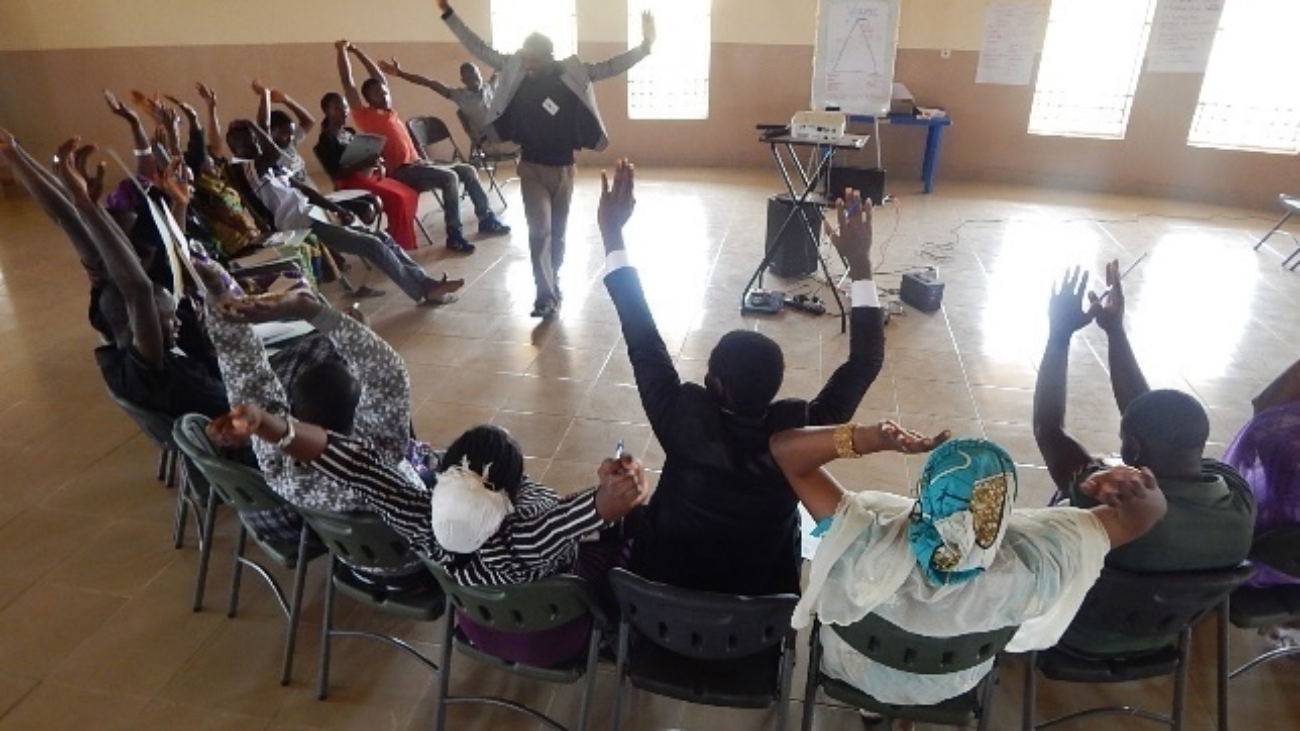
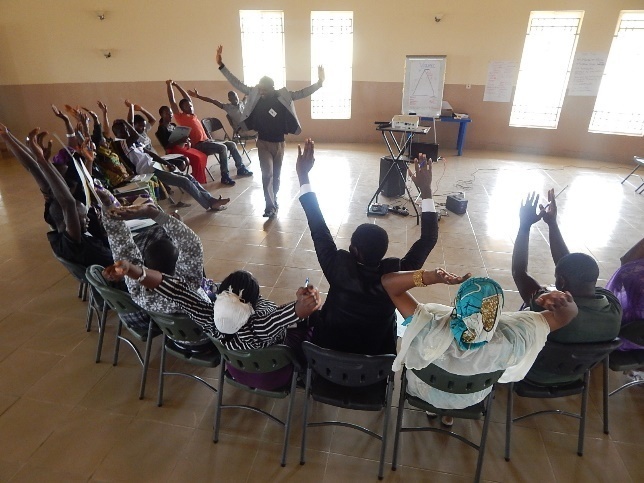
Training of Peace Workers in Plateau State

Project Status: Completed

Training of Peace Workers in Plateau State
Start Date

Feb 2013

End Date

Jan 2014

Focus Area

To foster a culture of peace and tolerance in Plateau State

Funded By

Misereor

Project Location

Plateau State

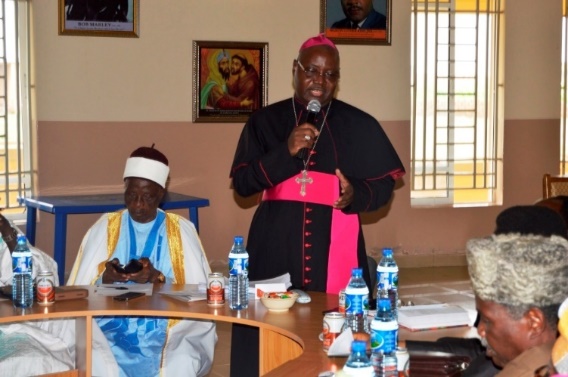
The ultimate goal of this project was to foster a culture of peace and tolerance in Plateau State, where individuals from diverse ethnic and religious backgrounds could coexist harmoniously. We envisioned a society where conflict management was achieved through regular dialogue, promoting mutual understanding and respect. By bringing people together and facilitating open communication, we believed that peaceful coexistence was not only possible but also sustainable.
To achieve this vision, we outlined specific objectives that guided our project implementation. Firstly, we established regular dialogue mechanisms among conflicting parties in selected villages. By the end of the funding period, these parties were engaging in constructive dialogue, resolving disputes peacefully, and working together to build a more harmonious community.
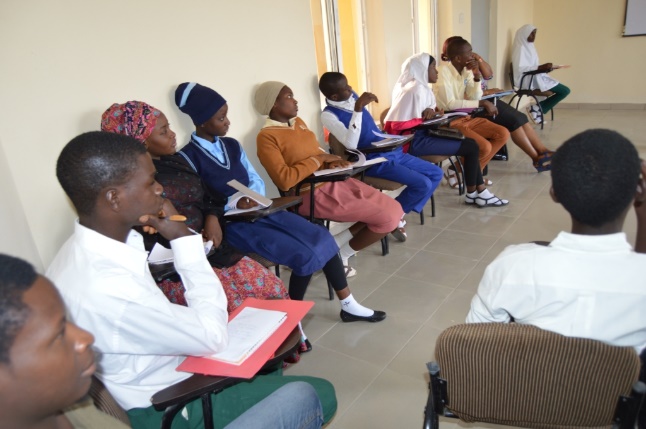
Another critical objective was building the capacity of individuals in peacebuilding and conflict resolution. We provided training to persons from selected project areas, empowering them with the knowledge, skills, and attitudes necessary to promote peaceful coexistence. By applying their newfound expertise, these individuals became champions of peace in their communities, helping to resolve conflicts and promote social cohesion.
Finally, we were committed to promoting active non-violence in targeted communities, particularly during critical periods such as elections. We implemented various activities designed to mitigate violence, promote peaceful electoral processes, and foster a culture of tolerance and respect. By working together, we built a more peaceful and harmonious society in Plateau State.
in6

Promoting Trust and Confidence in Communities in Plateau State – Funded by Missio Austria

Project Status: Completed

Promoting trust and Confidence in Communities in Plateau State

Start Date

Mar 2014

End Date

Feb 2015

Focus Area

we facilitated community-led dialogue initiatives that brought together individuals from diverse backgrounds to discuss issues

Funded By

Missio Austria

Project Location

Jos North, Bokkos, Barkin Ladi, and Riyom

The project focused on supporting communities in four key local government areas – Jos North, Bokkos, Barkin Ladi, and Riyom – to rebuild trust and promote grassroots dialogue. We recognized that trust was the foundation of peaceful coexistence, and that grassroots dialogue was essential for resolving conflicts and promoting social cohesion.
Through our initiative, we facilitated community-led dialogue initiatives that brought together individuals from diverse backgrounds to discuss issues, resolve conflicts, and build trust. We supported the establishment of community-based peace structures that promoted grassroots dialogue and conflict resolution. By empowering local leaders and community members with the necessary skills and knowledge, we enabled them to facilitate dialogue, resolve conflicts, and promote peace.
Ultimately, our goal was to foster a culture of tolerance, respect, and understanding among community members, promoting a sense of shared humanity and common purpose. By working together with these communities, we helped build a stronger foundation for peaceful coexistence and social cohesion.

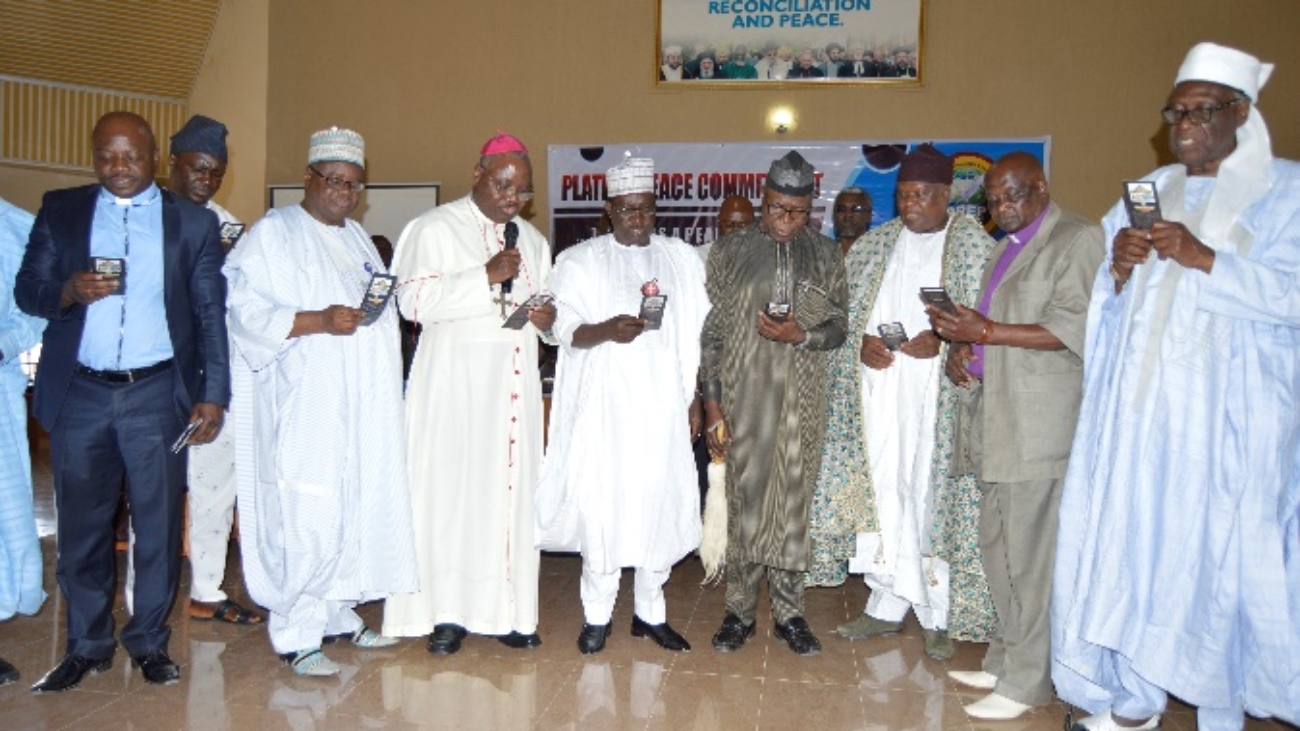
PLATEAU PEACE COMMITMENT

Indigenous Conflict Resolution Mechanism Among Tribes in Jos North

Project Status: Completed

Indigenous Conflict Resolution Mechanism Among Tribes in Jos North

Start Date

May 2014

End Date

Apr 2015

Focus Area

To develop and promote an innovative conflict resolution framework

Funded By

CAFOD

Project Location

Jos North

The overarching goal of this project was to develop and promote an innovative conflict resolution framework, one that leveraged the rich cultural heritage of Plateau State’s diverse ethnic groups. By exploring indigenous and traditional methods of conflict resolution, we aimed to complement existing efforts and strategies addressing the protracted crises in the region. This approach recognized the value of traditional knowledge and practices in fostering peaceful resolution and promoting social cohesion.
To achieve this goal, we identified four specific objectives. Firstly, we sought to identify traditional practices and customs in Jos North that promoted peaceful conflict resolution. This involved documenting and analyzing the cultural norms, values, and institutions that had historically contributed to peaceful coexistence among communities. Secondly, we aimed to identify common grounds and areas of convergence among these traditional practices, highlighting their potential to promote reconciliation, restoration, and integration.
Our third objective was to document findings from this project and make them available to development workers, peacebuilding practitioners, and professionals. This ensured that the knowledge and insights generated by this project were disseminated widely, informing evidence-based interventions and policy decisions. Finally, we aimed to raise awareness of these alternative conflict resolution methods, highlighting their potential to complement existing approaches and enhance peacebuilding efforts in Plateau State.

DIALOGUE SESSIONS2

Emergency and Early Recovery Assistance to IDPs Displaced by Boko Haram Insurgency in Adamawa State

Project Status: Completed

Emergency and Early Recovery Assistance to IDPs Displaced by Boko Haram Insurgency in Adamawa State

Start Date

Feb 2016

End Date

Apr 2016

Focus Area

Providing comprehensive training and capacity-building programs for identified community peace vanguards.

Funded By

Caritas Nigeria

Project Location

Adamawa State

The Centre supported Caritas Nigeria in implementing the peace-building component of its EA 2015 project. This critical initiative focused on providing comprehensive training and capacity-building programs for identified community peace vanguards. By empowering these local leaders, we worked to foster a culture of peace, tolerance, and understanding in conflict-affected communities.
Our efforts specifically concentrated on Objective 3, which sought to enable members of three Internally Displaced Persons (IDP) camps and three host communities to coexist peacefully. This objective was crucial in promoting social cohesion and reconciliation among communities that had been affected by conflict and displacement. By working together, we helped build trust, resolve conflicts, and promote peaceful coexistence.
The project was implemented in Yola, Adamawa State, an area that had been significantly impacted by conflict and displacement. By targeting this region, we aimed to make a meaningful difference in the lives of individuals and communities affected by violence. Through our combined efforts, we promoted lasting peace, stability, and development in this critical region.

DREP Centre 03

Strategies for Community Reintegration in Northeast Nigeria

Project Status: Completed

Strategies for Community Reintegration in Northeast Nigeria

Start Date

Apr 2016

End Date

Sep 2016

Focus Area

Sought to gain a deeper understanding of the complex factors necessary for Boko Haram (BH) returnees and defectors

Funded By

USAID

Project Location

Northeast Nigeria

This project sought to gain a deeper understanding of the complex factors necessary for Boko Haram (BH) returnees and defectors to be reintegrated into their communities successfully. A critical aspect of this initiative was to identify the challenges and concerns that hindered the reintegration process, with the ultimate goal of informing policy decisions and supporting local initiatives.
Through this project, we identified the needs, challenges, and concerns of BH returnees and defectors at the national level, thereby influencing policy and promoting community-level initiatives. By highlighting the complexities of reintegration, we sought to raise awareness about the importance of creating safe and supportive environments for returnees. This, in turn, would reduce the likelihood of them rejoining or remaining members of Boko Haram.
Ultimately, our efforts focused on increasing the chances of successful reintegration, enabling returnees to reintegrate into their communities without harm. By addressing the root causes of reintegration challenges, we contributed to the development of more effective community-level mechanisms, promoting lasting peace, stability, and social cohesion in affected regions.

PLATEAU PEACE COMMITMENT2

Reintegration Dialogue between Nigerian and Cameroonian Border Communities

Project Status: Completed

Reintegration Dialogue between Nigerian and Cameroonian Border Communities

Start Date

Jul 2017

End Date

Jul 2017

Focus Area

To foster greater understanding and cooperation

Funded By

NERI/USAID

Project Location

Nigerian Cameroonian Border

The activities of Boko Haram in northeastern Nigeria fueled significant hostility between communities, particularly in Adamawa, Yobe, and Borno states, which shared borders with Makolo, Bourha, and Mogode in Cameroon. The porous and poorly regulated border enabled insurgent groups to launch numerous attacks and counterattacks, exacerbating tensions.
Despite notable military progress in combating insurgency, emerging reports suggested a shift in the behavior of these groups, potentially linked to the Islamic State of West Africa (ISWA). To address this evolving dynamic, further research was conducted.
To foster greater understanding and cooperation, continued dialogue involving community representatives from Nigerian and Cameroonian border communities was crucial. The Center supported by NERI, facilitated four dialogue sessions in Mubi LGA, Adamawa State. These sessions brought together stakeholders from Nigerian communities (Kwaja, Wula, Vizik, and Kamale) and Cameroonian communities (Domo, Wula Hanko, Wuro Sarki, and Magodi).
Through these dialogues, participants gained a deeper understanding of the shifting patterns of insurgency, enabling them to develop effective coping and resilience strategies. By fostering interaction and collaboration, these sessions promoted greater peace and stability in the region.

PLATEAU PEACE COMMITMENT

Mobilizing Peace Facilitators to Support OSC Graduates Community Reinsertion

Project Status: Completed

Mobilizing Peace Facilitators to Support OSC Graduates Community Reinsertion

Start Date

Oct 2018

End Date

Nov 2018

Focus Area

Mobilizing and deploying of fifteen (15) Community Peace Facilitators (CPFs) for rapid information tracking in twelve LGAs

Funded By
Project Location

Borno State

In 2018, Eighty-five (85) reformed Boko Haram defectors were released by Operation Safe Corridor (OSC) of the Nigerian Army to the Borno State Government. They were initially placed in a transit camp to allow for proper arrangements for their reintegration into their respective communities. This approach aimed to ensure that close collaboration with the State Government would result in a well-planned, carefully executed, and seamless reintegration process.
However, the defectors were abruptly released from the transit camp without adequate plans for their reinsertion into the communities. This led to their rejection by many communities, resulting in most of them being returned to the transit camp. It became evident that the communities were either not informed about the defectors’ return or were unprepared to receive them.
A significant concern was the safety of the defectors, who risked being left vulnerable to an aggrieved population still reeling from the losses caused by Boko Haram’s activities. This raised fears of mob actions against the defectors, highlighting the urgent need for their safe and carefully monitored reintegration into the communities.
The key objectives of the project included the Mobilizing and deploying of fifteen (15) Community Peace Facilitators (CPFs) for rapid information tracking in twelve LGAs of return in Borno State. And Identifying ways to increase community acceptance of repentant and deradicalized Boko Haram members in the targeted areas of return.