PLATEAU PEACE COMMITMENT

Indigenous Conflict Resolution Mechanism Among Tribes in Jos North

Project Status: Completed

Indigenous Conflict Resolution Mechanism Among Tribes in Jos North
Start Date

May 2014

End Date

Apr 2015

Focus Area

To develop and promote an innovative conflict resolution framework

Funded By

CAFOD

Project Location

Jos North

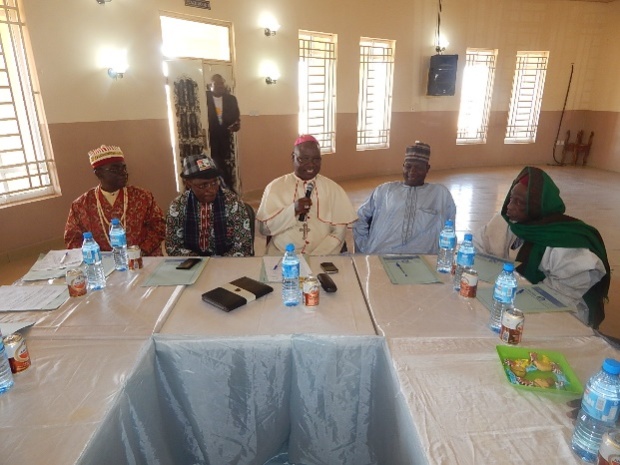
The overarching goal of this project was to develop and promote an innovative conflict resolution framework, one that leveraged the rich cultural heritage of Plateau State’s diverse ethnic groups. By exploring indigenous and traditional methods of conflict resolution, we aimed to complement existing efforts and strategies addressing the protracted crises in the region. This approach recognized the value of traditional knowledge and practices in fostering peaceful resolution and promoting social cohesion.
To achieve this goal, we identified four specific objectives. Firstly, we sought to identify traditional practices and customs in Jos North that promoted peaceful conflict resolution. This involved documenting and analyzing the cultural norms, values, and institutions that had historically contributed to peaceful coexistence among communities. Secondly, we aimed to identify common grounds and areas of convergence among these traditional practices, highlighting their potential to promote reconciliation, restoration, and integration.
Our third objective was to document findings from this project and make them available to development workers, peacebuilding practitioners, and professionals. This ensured that the knowledge and insights generated by this project were disseminated widely, informing evidence-based interventions and policy decisions. Finally, we aimed to raise awareness of these alternative conflict resolution methods, highlighting their potential to complement existing approaches and enhance peacebuilding efforts in Plateau State.
TRAUMA HEALING

Community Dialogue and Reintegration in Madagali LGA of Adamawa State

Project Status: Completed

Community Dialogue and Reintegration in Madagali LGA of Adamawa State

Start Date

Dec 2016

End Date

Jun 2017

Focus Area

Aimed to facilitate the reintegration of individuals and groups affected by the insurgency

Funded By

NERI/USAID

Project Location

Madagali LGA of Adamawa State

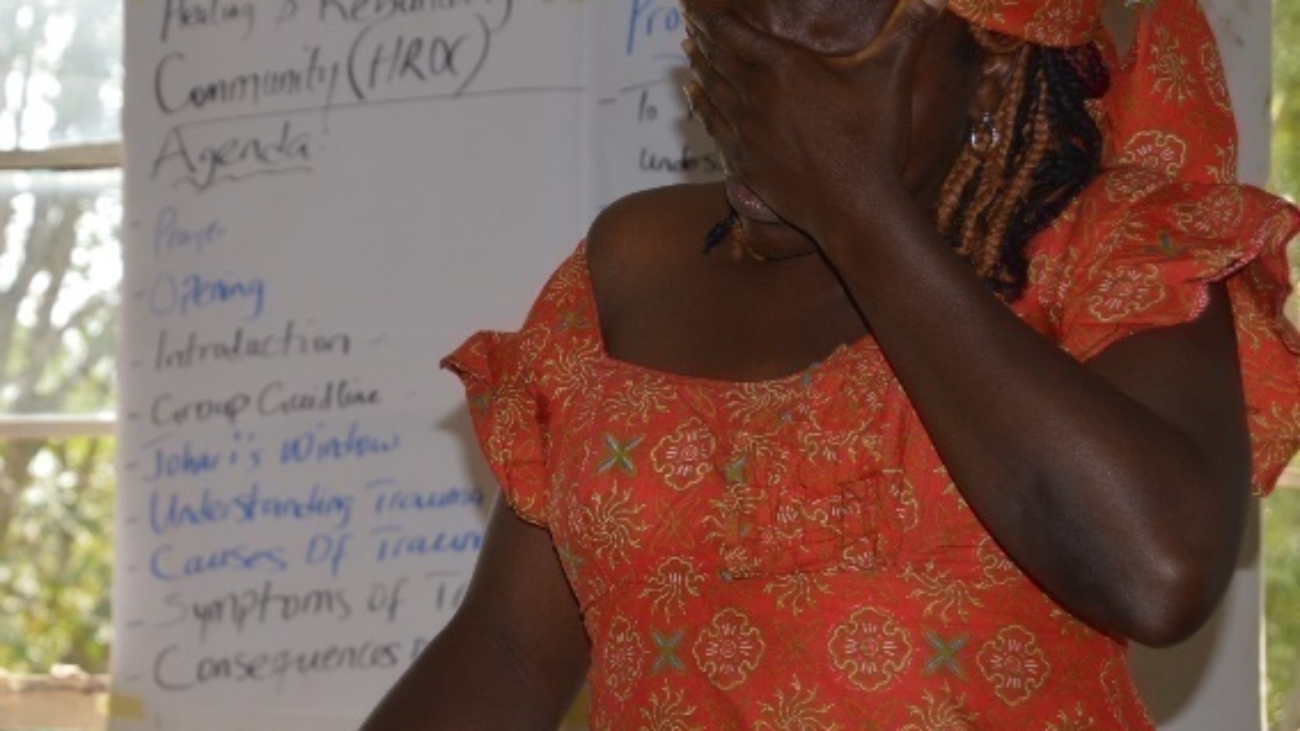
This initiative aimed to facilitate the reintegration of individuals and groups affected by the insurgency in Madagali, while addressing deep-seated issues of mutual suspicion along religious lines. Through this project, we sought to heal the social injuries caused by insurgency, promoting a culture of peace, tolerance, and understanding.
The primary objective of this project was to reconcile and reintegrate different social groups within the Madagali community, ensuring that healing and restoration took place. By bringing together individuals and groups from diverse backgrounds, we facilitated a process of reconciliation, forgiveness, and healing. This, in turn, helped restore peaceful coexistence among the Madagali people, fostering a sense of unity and shared purpose.
Furthermore, our project aimed to revitalize the rich cultural heritage of the Madagali people through the Kilisa festival. This cultural event provided a platform for dialogue, reconciliation, and celebration, promoting peace and unity among the community. By facilitating this cultural revival, we helped strengthen social bonds, promote cross-cultural understanding, and foster a deeper appreciation for the community’s shared history and traditions.

PLATEAU PEACE COMMITMENT2

Reintegration Dialogue between Nigerian and Cameroonian Border Communities

Project Status: Completed

Reintegration Dialogue between Nigerian and Cameroonian Border Communities

Start Date

Jul 2017

End Date

Jul 2017

Focus Area

To foster greater understanding and cooperation

Funded By

NERI/USAID

Project Location

Nigerian Cameroonian Border

The activities of Boko Haram in northeastern Nigeria fueled significant hostility between communities, particularly in Adamawa, Yobe, and Borno states, which shared borders with Makolo, Bourha, and Mogode in Cameroon. The porous and poorly regulated border enabled insurgent groups to launch numerous attacks and counterattacks, exacerbating tensions.
Despite notable military progress in combating insurgency, emerging reports suggested a shift in the behavior of these groups, potentially linked to the Islamic State of West Africa (ISWA). To address this evolving dynamic, further research was conducted.
To foster greater understanding and cooperation, continued dialogue involving community representatives from Nigerian and Cameroonian border communities was crucial. The Center supported by NERI, facilitated four dialogue sessions in Mubi LGA, Adamawa State. These sessions brought together stakeholders from Nigerian communities (Kwaja, Wula, Vizik, and Kamale) and Cameroonian communities (Domo, Wula Hanko, Wuro Sarki, and Magodi).
Through these dialogues, participants gained a deeper understanding of the shifting patterns of insurgency, enabling them to develop effective coping and resilience strategies. By fostering interaction and collaboration, these sessions promoted greater peace and stability in the region.

CAPACITY BUILDING

Promoting Dialogue and Reconciliation for Community Reintegration in the Northeast

Project Status: Completed

Promoting Dialogue and Reconciliation for Community Reintegration in the Northeast

Start Date

Sep 2017

End Date

Jan 2018

Focus Area

Aimed to reintegrate repentant Boko Haram fighters who underwent a 16-week de-radicalization program

Funded By

USAID/OTI through Creative/NERI

Project Location

10 LGAs including Bama, Damboa, and Gwoza.

This project aimed to reintegrate repentant Boko Haram fighters who underwent a 16-week de-radicalization program. The focus was on understanding community responses, reactions, attitudes, and behaviors towards these defectors, as well as their expectations from the government and other stakeholders.

To achieve this, dialogues were conducted across 10 Local Government Areas (LGAs), including Bama, Damboa, and Gwoza. Participants included traditional leaders, religious leaders, local security groups, women’s groups, and youth groups. Separate meetings were held with local emirs and government officials to gather their insights and perspectives on the reintegration program.

These discussions provided valuable information on the reintegration process, helping to identify key challenges and opportunities for successful reintegration. By engaging with diverse stakeholders, the project fostered greater understanding and cooperation, ultimately supporting the peaceful reintegration of former Boko Haram fighters.

PLATEAU PEACE COMMITMENT2

Promoting Community Participation for Conflict Mitigation and Reconciliation

Project Status: Completed

Promoting Community Participation for Conflict Mitigation and Reconciliation

Start Date

Nov 2014

End Date

Oct 2017

Focus Area

Aimed to foster sustainable peaceful coexistence among people from selected communities

Funded By

Misereor

Project Location

Jos North, Riyom, Bokkos and Wase LGAs of Plateau State

The project aimed to foster sustainable peaceful coexistence among people from selected communities in Plateau State. Its objective was to establish regular dialogue and consultation across conflict divides between political, religious, and ethnic groups. This focuses on issues of violence prevention, peace, and reconciliation in the selected communities.
By the project’s conclusion, 69 individuals, including women and youth, from three selected communities in Riyom, Bokkos, and Wase LGAs had acquired alternative conflict resolution skills. These skills were applied in their communities, promoting peaceful conflict resolution. Furthermore, selected communities in Jos North, Riyom, Bokkos, and Wase LGAs had achieved active non-violent participation in local and national elections, fostering a culture of peaceful democratic engagement.

in 3

Traditional and Religious Leader Forum On Transitional Justice for Reintegration

Project Status: Completed

Traditional and Religious Leader Forum On Transitional Justice for Reintegration

Start Date

Dec 2017

End Date

Mar 2018

Focus Area

A primary objective was to meticulously assess the efficacy of existing traditional justice mechanisms,

Funded By

USAID/OTI via Creative Associates

Project Location

JOS

This project undertook an in-depth examination of the pivotal role traditional and religious institutions play in facilitating transitional justice in the North East region, which has been ravaged by the Boko Haram insurgency. A primary objective was to meticulously assess the efficacy of existing traditional justice mechanisms, which have been employed to address the complex aftermath of the insurgency.
Through this project, we sought to gain a nuanced understanding of community perspectives on transitional justice, recognizing that local voices and experiences are essential in shaping meaningful and sustainable justice processes. By engaging with community members, the project aimed to identify acceptable transitional justice measures that would provide assurances and guarantees of the genuine repentance of offenders and Boko Haram defectors.
Ultimately, this project contributed to the development of context-specific transitional justice strategies, leveraging the strengths of traditional and religious institutions to promote healing, accountability, and reconciliation in the North East region.

WORLD DAY OF PEACE CELEBRATION

Promoting Reconciliation in 6 Nigerian-Cameroonian Border Communities

Project Status: Completed

Promoting Reconciliation in 6 Nigerian-Cameroonian Border Communities

Start Date

Apr 2018

End Date

Jul 2018

Focus Area

Fostering communal understanding and improving livelihoods among border communities

Funded By

USAID/OTI via Creative Associates

Project Location

Nigerian-Cameroonian Border

Tensions and suspicion among border communities in Nigeria and Cameroon escalated due to the recruitment and expansion efforts of Boko Haram (BH) and the Islamic State in West Africa (ISWA). The surge was largely attributed to the scarcity of livelihood opportunities, which had been severely impacted by years of insurgency.
Research findings from dialogues conducted by DREP among Nigerian and Cameroonian communities revealed that insurgent groups had exploited existing vulnerabilities among border communities. These vulnerabilities included longstanding divisions along ethnic and religious lines, which had been exacerbated by competition for scarce resources. The destruction of livelihoods by insurgents further strained inter-communal dynamics, leading to stigmatization, tensions, and clashes among groups.
This project aimed to address these challenges by fostering communal understanding and improving livelihoods among border communities in Nigeria and Cameroon. By promoting greater cooperation and understanding, the initiative sought to mitigate the tensions and suspicions that had been fueled by the insurgency, ultimately contributing to a more peaceful and stable region.

PLATEAU PEACE COMMITMENT

Mobilizing Peace Facilitators to Support OSC Graduates Community Reinsertion

Project Status: Completed

Mobilizing Peace Facilitators to Support OSC Graduates Community Reinsertion

Start Date

Oct 2018

End Date

Nov 2018

Focus Area

Mobilizing and deploying of fifteen (15) Community Peace Facilitators (CPFs) for rapid information tracking in twelve LGAs

Funded By
Project Location

Borno State

In 2018, Eighty-five (85) reformed Boko Haram defectors were released by Operation Safe Corridor (OSC) of the Nigerian Army to the Borno State Government. They were initially placed in a transit camp to allow for proper arrangements for their reintegration into their respective communities. This approach aimed to ensure that close collaboration with the State Government would result in a well-planned, carefully executed, and seamless reintegration process.
However, the defectors were abruptly released from the transit camp without adequate plans for their reinsertion into the communities. This led to their rejection by many communities, resulting in most of them being returned to the transit camp. It became evident that the communities were either not informed about the defectors’ return or were unprepared to receive them.
A significant concern was the safety of the defectors, who risked being left vulnerable to an aggrieved population still reeling from the losses caused by Boko Haram’s activities. This raised fears of mob actions against the defectors, highlighting the urgent need for their safe and carefully monitored reintegration into the communities.
The key objectives of the project included the Mobilizing and deploying of fifteen (15) Community Peace Facilitators (CPFs) for rapid information tracking in twelve LGAs of return in Borno State. And Identifying ways to increase community acceptance of repentant and deradicalized Boko Haram members in the targeted areas of return.

DIALOGUE SESSIONS2

Actions for Cultural and Religious Pluralism in Niger and Nigeria

Project Status: Completed

Actions for Cultural and religious pluralism in Niger and Nigeria

Start Date

Feb 2018

End Date

May 2022

Focus Area

effective implementation of the Religious and Cultural Tolerance

Funded By

European Union (EU)

Project Location

Nigeria and Niger

The Peace project is being funded by the European Union (EU) for the effective implementation of the Religious and Cultural Tolerance Program in Nigeria and Niger. The name of the project is “Action for Cultural and Religious Pluralism”. It is being implemented jointly in Nigeria and Niger Republic with an overall objective/impact of making Communities in Niger and Nigeria live in a culturally inclusive environment. Niger and Nigeria are bordering countries situated in West Africa. Niger is one of the lowest-ranked in the UN HDI whereas Nigeria has a large economy and is listed among the “Next Eleven”, a list of economies that are set to become among the biggest in the world (Goldman Sachs, 2012). Niger is a francophone country and Nigeria an Anglo phone; even though Nigeria is inhabited by over 500 ethnic groups, speaking 500 different languages (World Atlas, 2017). Islam accounts for 94% of Niger’s religious adherents while Nigeria is nearly equally divided between Christianity and Islam. Two different countries but when looking at the political, economic, social, technological, legal and environmental root causes and effects of decreased tolerance for cultural and religious pluralism, Niger and Nigeria show a lot of similarities. In Nigeria, the project is geared towards promoting religious and culturally inclusivity, with specific focus on Jos, Plateau State and Kaduna, Kaduna State. It will engage the services and collaboration of Academic and Research Institutes, Religious and Community Leaders, Students and Youth groups, Civil Society Organizations, Government Actors, Artists and Media actors as well as representatives of Women groups.

in 4

Strengthening Inter-Religious Relations Among Religious Actors and Groups in the Northeast States of Adamawa, Borno and Yobe

Project Status: Completed

Strengthening Inter-Religious Relations Among Religious Actors and Groups in the Northeast States of Adamawa, Borno and Yobe

Start Date

May 2022

End Date

November 2022

Focus Area

building better inter community trust and confidence among religious groups

Funded By
Project Location

Adamawa, Borno and Yobe

The project focuses to contribute to building better inter community trust and confidence among religious groups and promote better information sharing in order to build resilience to the activities of Boko Haram and ISWAP, thereby improving community cohesion and reconciliation. This will come in the form of regular inter-religious dialogues across the different communities and will cumulate to a state-wide inter-religious dialogue and conference across the BAY states to address emerging religious dimensions of the insurgency demonstrated in their new patterns and tactics. Over the years, DREP has been supporting communities across the North Central, Northeast, and other parts of the country that are polarized along religious and ethnic divides, engaging them in joint interventions that highlight religious and ethnic stereotypes and setting up community platforms that regularly engage members in dialogue and meetings geared towards addressing misconception of religion and other stereotypes.