PLATEAU PEACE COMMITMENT2

Plateau Peace Commitment

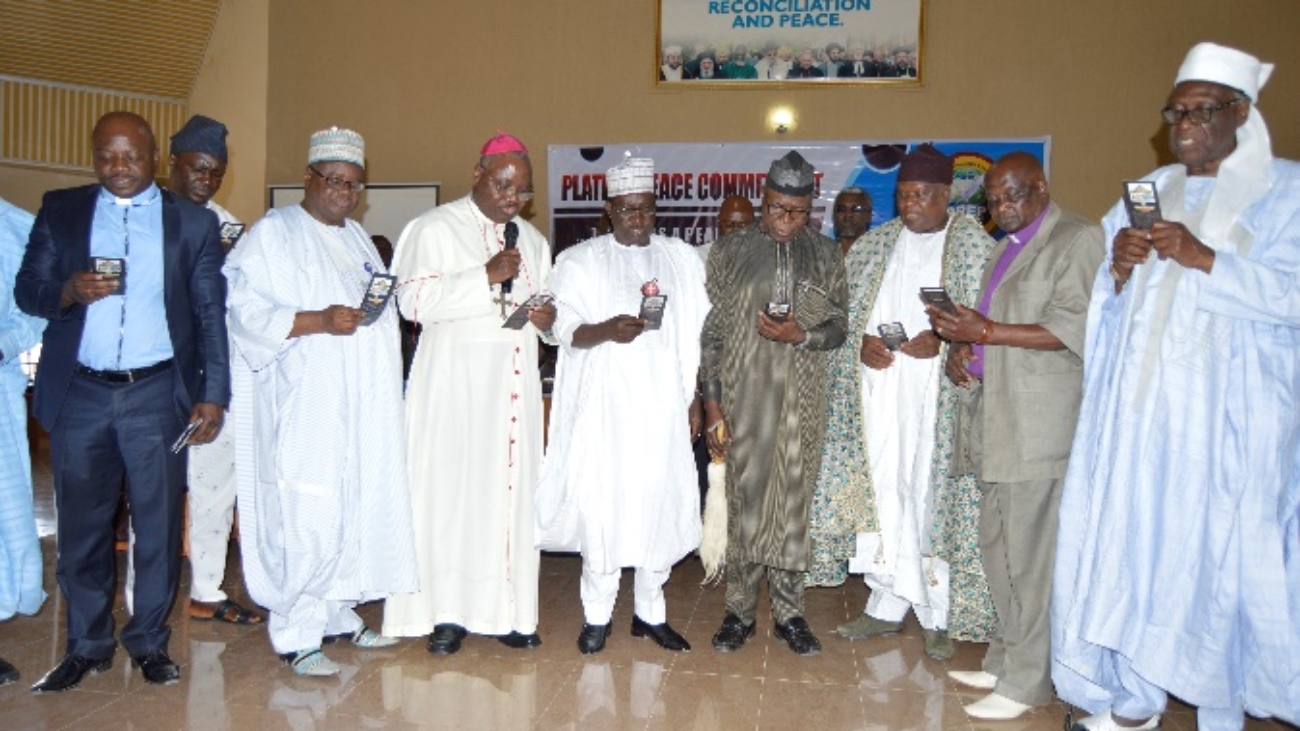
Considering the role elections plays in ensuring a peaceful coexistence, Religious and Community leaders who quarterly meet at DREP Centre, hostedboth theGubernatorial Aspirants and Party Leadership of the People’s Democratic Party (PDP) and the All Progressive Congress (APC) together with the leadership of the Independent National Electoral Commission (INEC), The National Orientation Agency (NOA) and Security Chiefs before the 2015 General Elections to sign a peace commitment to guide their actions and utterances before, during and after the elections. This to a large extend helped in ensuring free, peaceful and non-violent Elections in the State.
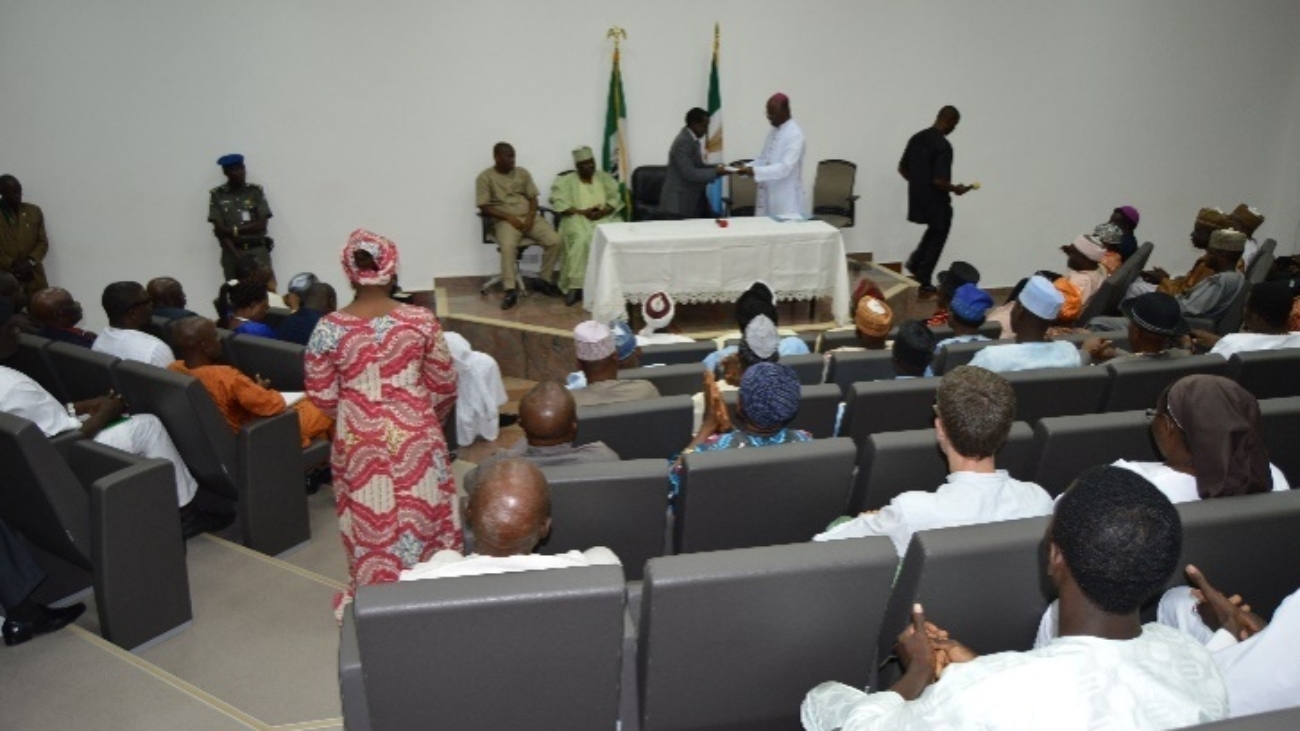
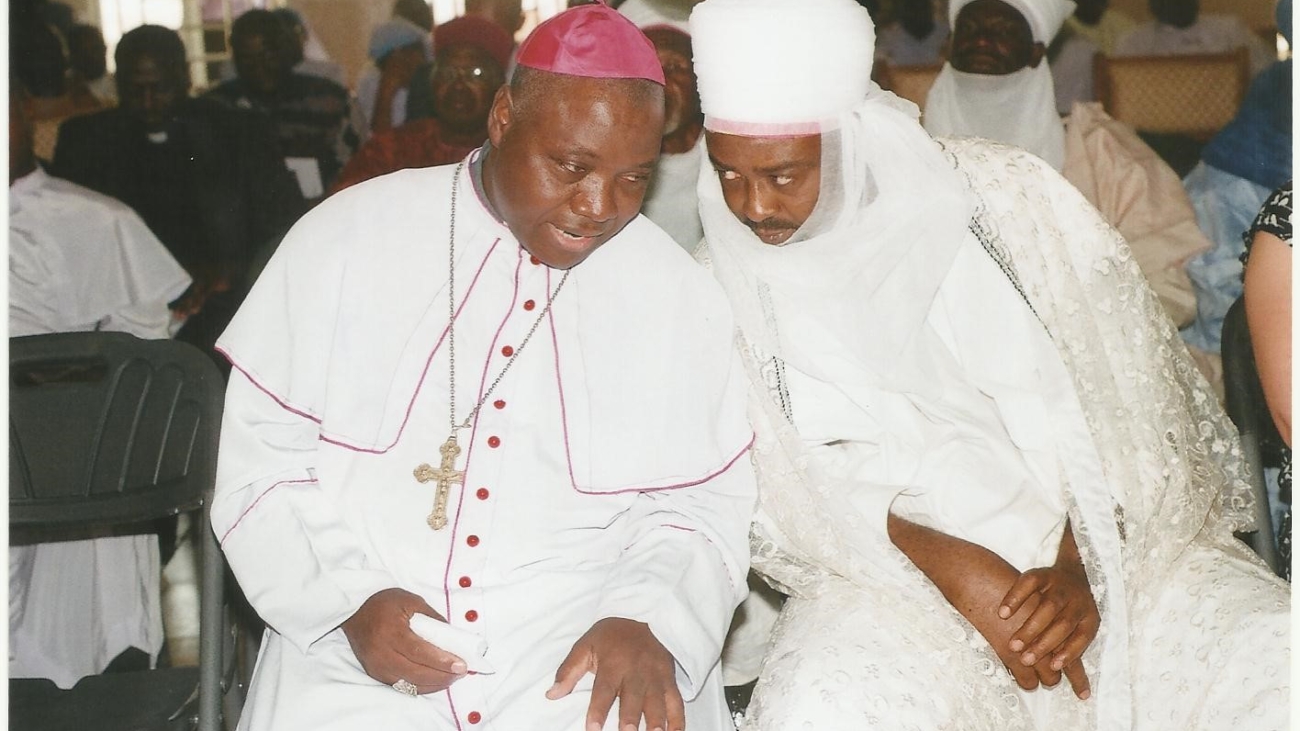
Also as part of measures to ensure a peaceful and violence freeelectoral process on the Plateau during the 2019 general elections, on 10th January, 2019, the Centre hosted all Governorship Aspirants, Party Leadership, Religious and Community Leaders, Civil Society Organizations, as well as other well-meaning Nigerians to an extraordinary interactive session, during which aspirants pledged their commitment to ensure their followers don’t involve in thuggery, hate speech and violence before, during and after the elections. They also pledged to use only legitimate and legal means to seek redress ifthe Electoral process and outcome are considered to be unsatisfactory. The high point of the event was the signing of a peace commitment by all the candidates which was witnessed by the Archbishop of Jos, Most-Rev. Ignatuis Kaigama, the GbongGom Jos, Da Jacob Gyang Buba and the Plateau State INEC Resident Electoral Commissioner Mallam Hussani Halilu Pai as well asSecurity Chiefs in the State.
DIALOGUE SESSIONS

Dialogue Sessions

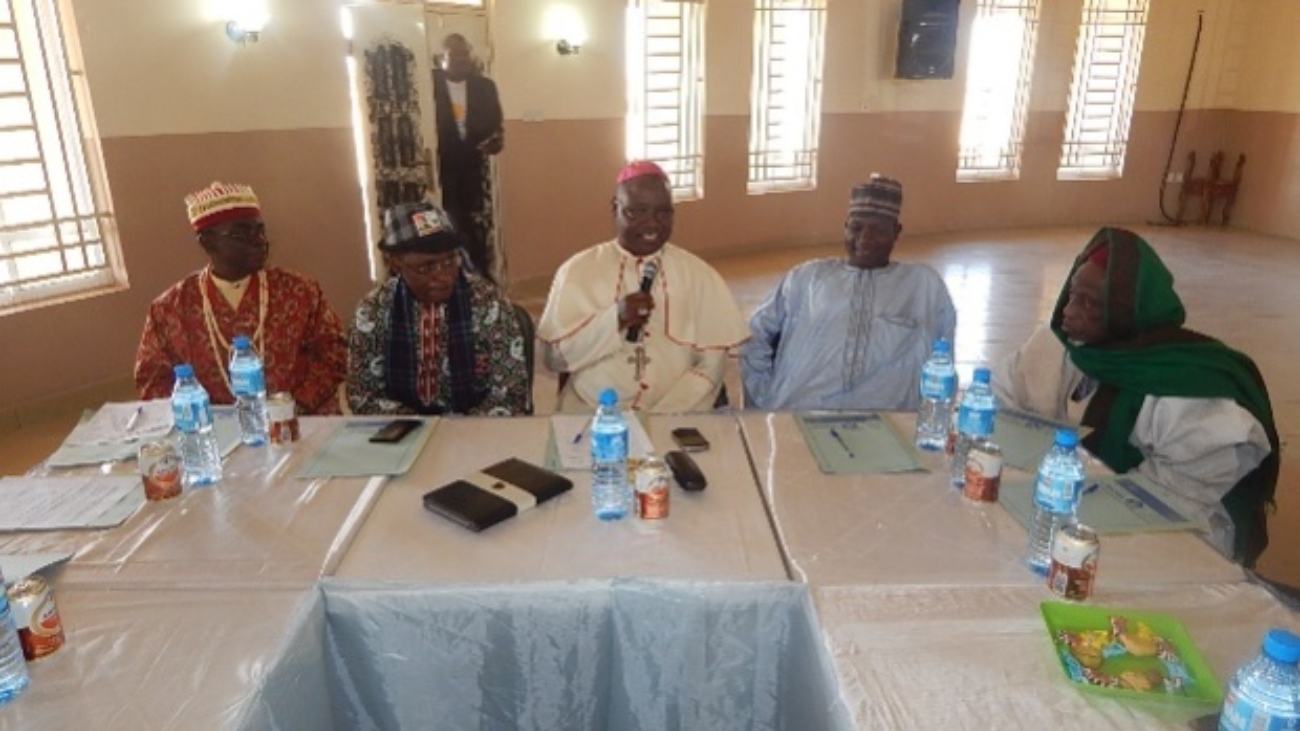
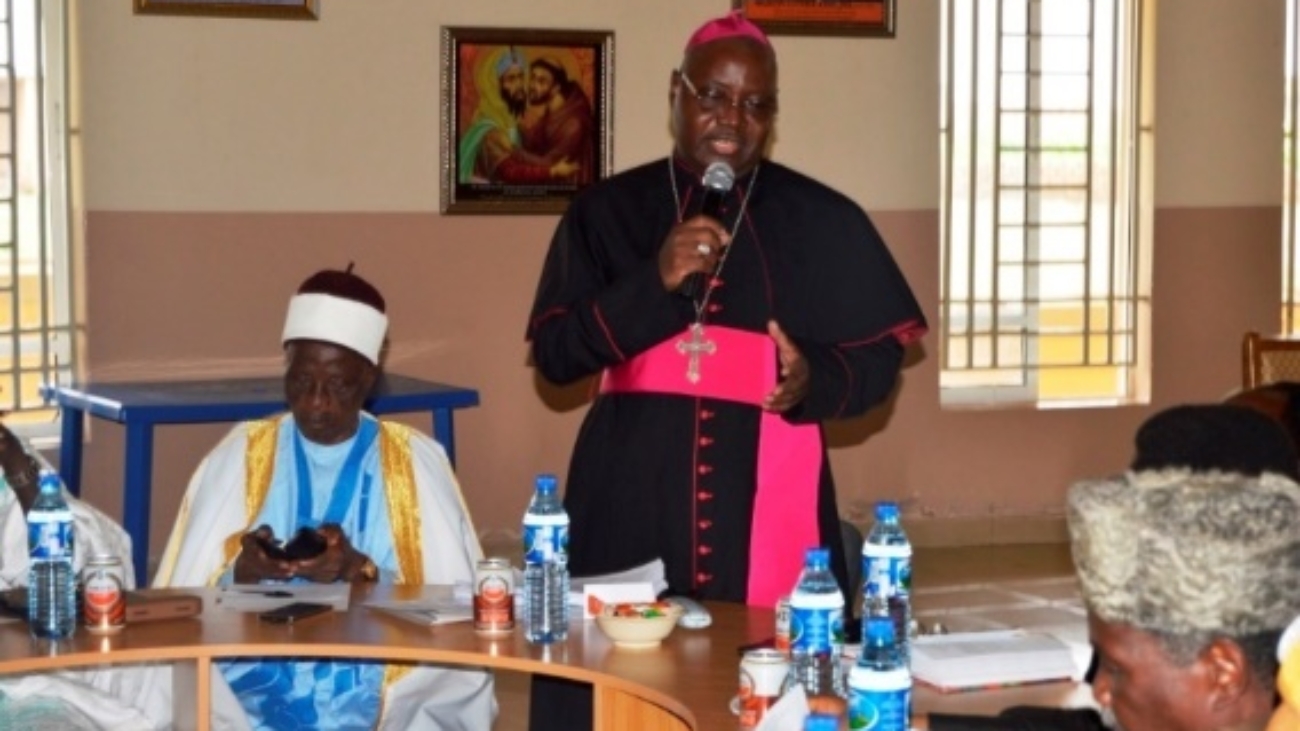
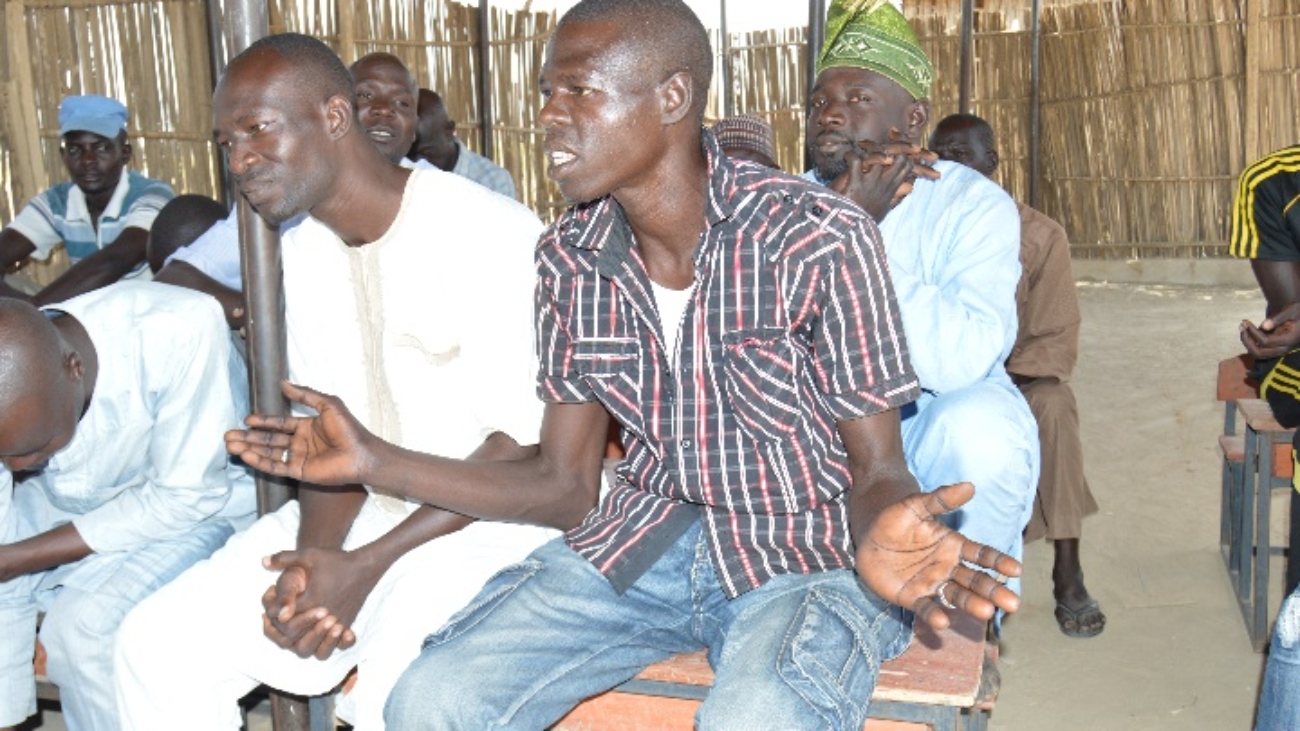
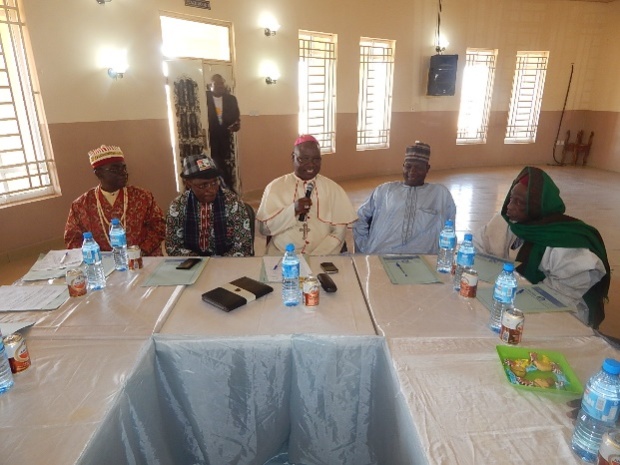
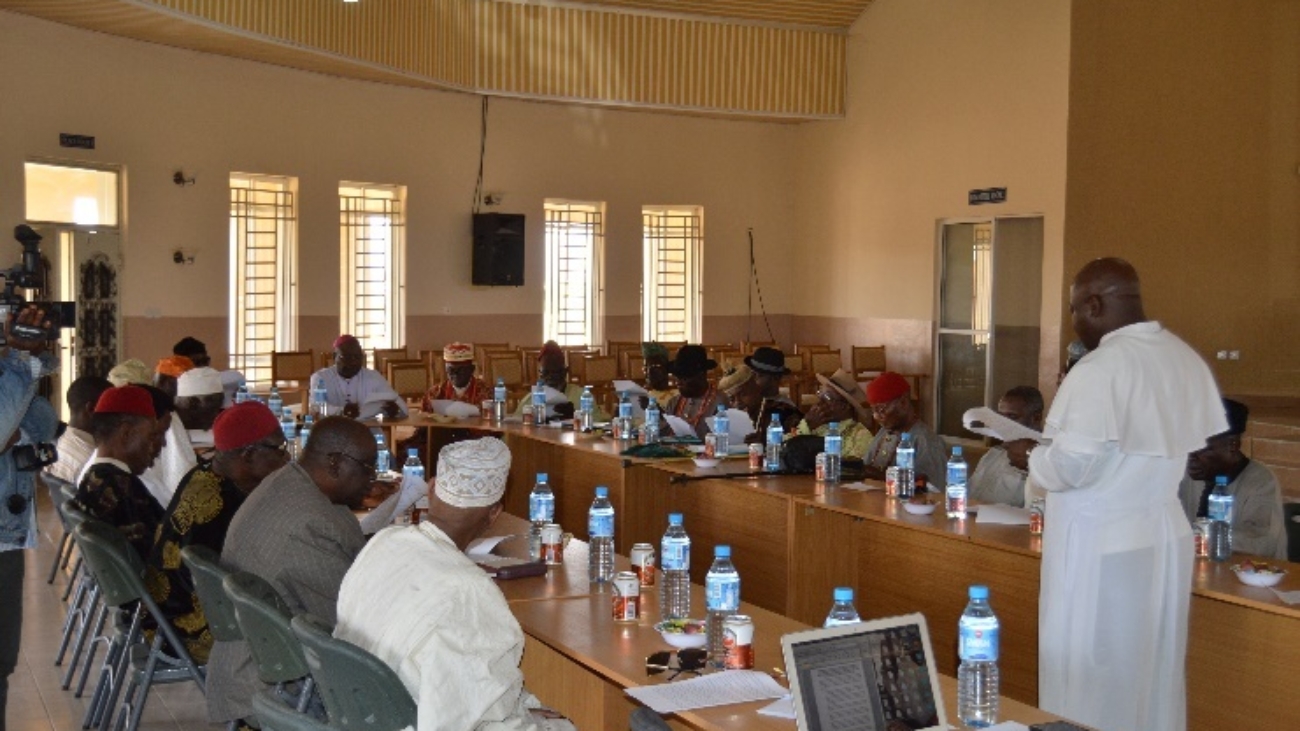
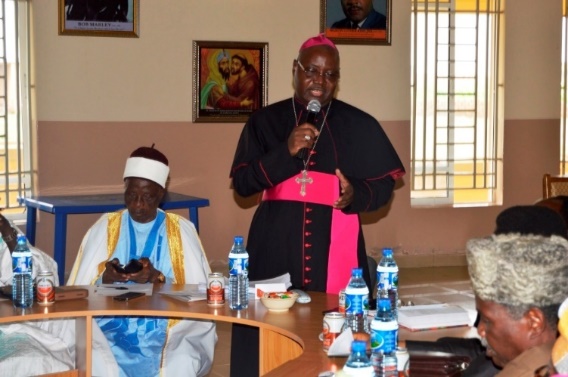
As part of its mandate, DREP has been holding dialogue and consultative meetings with key religious and Ethnic/Community leaders and stakeholders in the State every quarter since 2013. These meetings are geared towards identifying emerging conflict issues and proactively intervening before they degenerate into violent conflicts.
Through this forum, leaders identified the use of drugs as a major threat to peace on the Plateau, this lead to the drafting of a bill by the Centre to regulate the production, sale and consumption of illicit drugs on the Plateau. This bill was then forwarded to the Plateau State House of Assembly for onward passage into law.
Following the recurrent conflict between pastoralists and farmers in some local governments in the State, the Centre was able to bring affected parties to discuss and jointly proffer lasting solutions to the attacks in those communities. Example of such forums were those organized between Farmers and Pastoralist from Barkin-Ladi, Riyom and Jos-South LGA in March 2016 which had in attendance (the community leaders of both Birom and the Fulanis, Gwom-Rweys and Ardos) of the three LGAs together with other Religious and Ethnic/Community leaders who met in dialogue, thereby yielding positive results and restoring peace and harmony in the affected communities. Also, the forum was able to meet with the Ardos and Brra Ngwe Iregwe and Gwom-Rwey of Dong Community on the recent conflict between pastoralists and Farmers in Bassa and Jos-North LGA. These series of meetings started in the month of March, 2018 and has also achieved positive results.

EMERGENCY PREPAREDNESS AND RESPONSE

Emergency Preparedness And Response

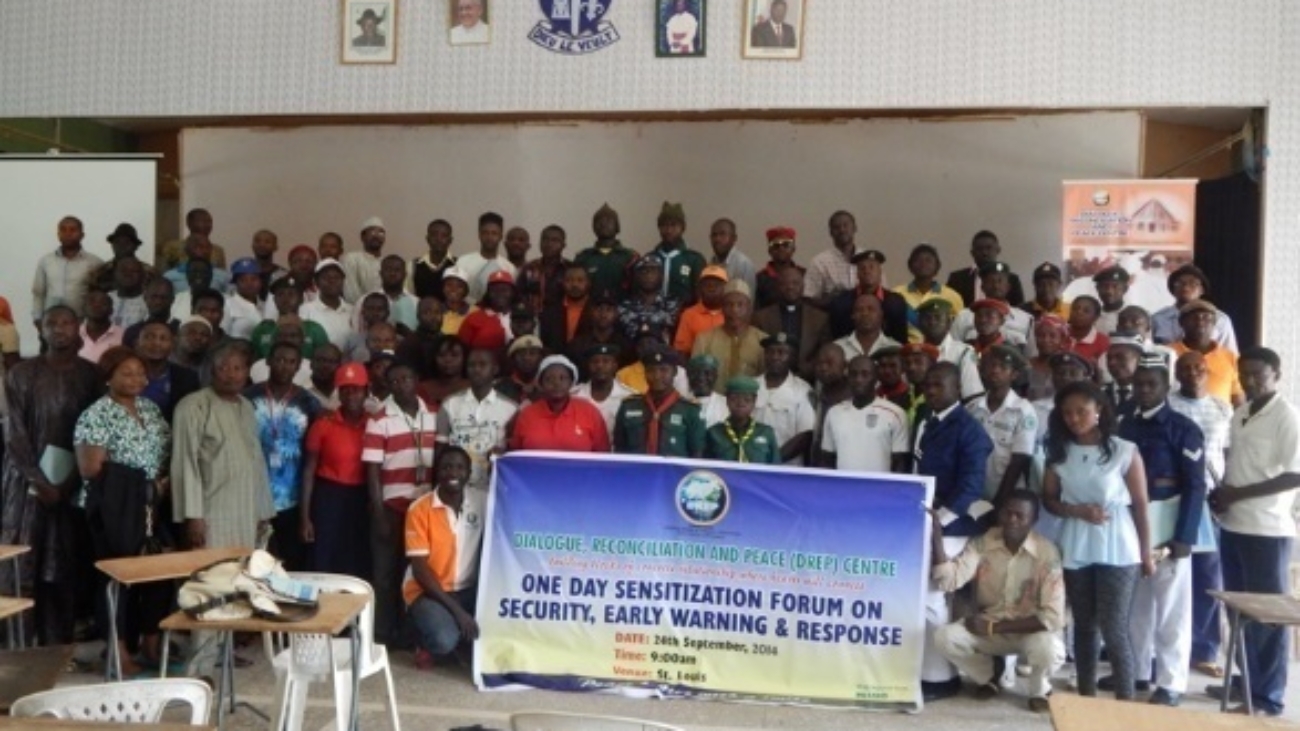
Following the numerous bomb attacks in Jos, the capital city of Plateau in 2014, DREP Centre, organized a one-day sensitization workshop on security, early warning & response for market men & women, motor parks, scouts, cadets, vigilantes, Boys/Girls Brigades, hospitality workers, Yan Agaji and all those that work in crowded places on Wednesday 24th September, 2014 at St. Louis Collage hall Jos. The main objective was to sensitize the various groups on how to handle and respond to cases of emergencies due to the fact that they come in touch with victims of any disaster first before any intervention by the relevant authorities. The training also had in attendance representatives of Civil Society Organizations, Security Agencies, the Media and the National Emergency Management Agency (NEMA)

ADVOCACY AND LOBBYING

Advocacy And Lobbying

DREP Centre commenced advocacy visits after its inauguration which helped in providing deeper understanding and created awareness about the existence of the Centre and its core mandate among stakeholders. This paved the way for more cooperation and collaboration between the organization, its immediate community and major stakeholders. Since its inauguration, the Centre has successfully carried out visits to communities in Jos-North, Jos-South, Jos-East, Bassa, Wase, Barkin-Ladi, Riyom, Bokkos, other peace building organizations/agencies, security agencies, religious and community groups within the State. This advocacy was to foster good working relationship and collaboration for peaceful coexistence in the state to effect positive change for the good of all.

PLATEAU PEACE COMMITMENT

Mobilizing Peace Facilitators to Support OSC Graduates Community Reinsertion

Project Status: Completed

Mobilizing Peace Facilitators to Support OSC Graduates Community Reinsertion

Start Date

Oct 2018

End Date

Nov 2018

Focus Area

Mobilizing and deploying of fifteen (15) Community Peace Facilitators (CPFs) for rapid information tracking in twelve LGAs

Funded By
Project Location

Borno State

In 2018, Eighty-five (85) reformed Boko Haram defectors were released by Operation Safe Corridor (OSC) of the Nigerian Army to the Borno State Government. They were initially placed in a transit camp to allow for proper arrangements for their reintegration into their respective communities. This approach aimed to ensure that close collaboration with the State Government would result in a well-planned, carefully executed, and seamless reintegration process.
However, the defectors were abruptly released from the transit camp without adequate plans for their reinsertion into the communities. This led to their rejection by many communities, resulting in most of them being returned to the transit camp. It became evident that the communities were either not informed about the defectors’ return or were unprepared to receive them.
A significant concern was the safety of the defectors, who risked being left vulnerable to an aggrieved population still reeling from the losses caused by Boko Haram’s activities. This raised fears of mob actions against the defectors, highlighting the urgent need for their safe and carefully monitored reintegration into the communities.
The key objectives of the project included the Mobilizing and deploying of fifteen (15) Community Peace Facilitators (CPFs) for rapid information tracking in twelve LGAs of return in Borno State. And Identifying ways to increase community acceptance of repentant and deradicalized Boko Haram members in the targeted areas of return.

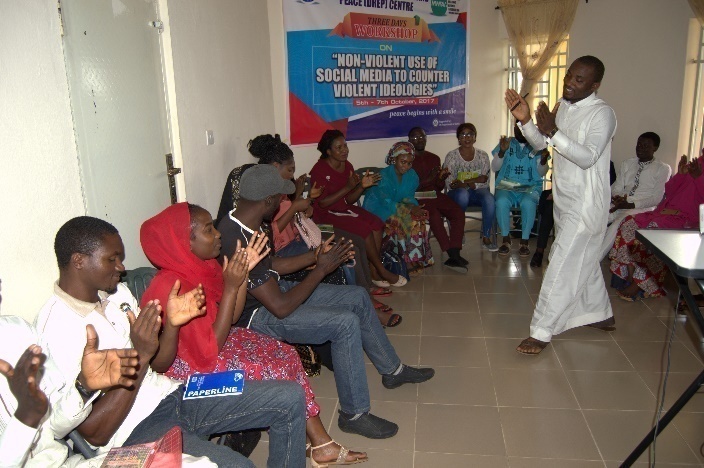
DIALOGUE SESSIONS2

Actions for Cultural and Religious Pluralism in Niger and Nigeria

Project Status: Completed

Actions for Cultural and religious pluralism in Niger and Nigeria

Start Date

Feb 2018

End Date

May 2022

Focus Area

effective implementation of the Religious and Cultural Tolerance

Funded By

European Union (EU)

Project Location

Nigeria and Niger

The Peace project is being funded by the European Union (EU) for the effective implementation of the Religious and Cultural Tolerance Program in Nigeria and Niger. The name of the project is “Action for Cultural and Religious Pluralism”. It is being implemented jointly in Nigeria and Niger Republic with an overall objective/impact of making Communities in Niger and Nigeria live in a culturally inclusive environment. Niger and Nigeria are bordering countries situated in West Africa. Niger is one of the lowest-ranked in the UN HDI whereas Nigeria has a large economy and is listed among the “Next Eleven”, a list of economies that are set to become among the biggest in the world (Goldman Sachs, 2012). Niger is a francophone country and Nigeria an Anglo phone; even though Nigeria is inhabited by over 500 ethnic groups, speaking 500 different languages (World Atlas, 2017). Islam accounts for 94% of Niger’s religious adherents while Nigeria is nearly equally divided between Christianity and Islam. Two different countries but when looking at the political, economic, social, technological, legal and environmental root causes and effects of decreased tolerance for cultural and religious pluralism, Niger and Nigeria show a lot of similarities. In Nigeria, the project is geared towards promoting religious and culturally inclusivity, with specific focus on Jos, Plateau State and Kaduna, Kaduna State. It will engage the services and collaboration of Academic and Research Institutes, Religious and Community Leaders, Students and Youth groups, Civil Society Organizations, Government Actors, Artists and Media actors as well as representatives of Women groups.

in 4

Strengthening Inter-Religious Relations Among Religious Actors and Groups in the Northeast States of Adamawa, Borno and Yobe

Project Status: Completed

Strengthening Inter-Religious Relations Among Religious Actors and Groups in the Northeast States of Adamawa, Borno and Yobe

Start Date

May 2022

End Date

November 2022

Focus Area

building better inter community trust and confidence among religious groups

Funded By
Project Location

Adamawa, Borno and Yobe

The project focuses to contribute to building better inter community trust and confidence among religious groups and promote better information sharing in order to build resilience to the activities of Boko Haram and ISWAP, thereby improving community cohesion and reconciliation. This will come in the form of regular inter-religious dialogues across the different communities and will cumulate to a state-wide inter-religious dialogue and conference across the BAY states to address emerging religious dimensions of the insurgency demonstrated in their new patterns and tactics. Over the years, DREP has been supporting communities across the North Central, Northeast, and other parts of the country that are polarized along religious and ethnic divides, engaging them in joint interventions that highlight religious and ethnic stereotypes and setting up community platforms that regularly engage members in dialogue and meetings geared towards addressing misconception of religion and other stereotypes.

INTERVENTIONS INTHE NORTH EAST

Reinforcing Social Cohesion and Resilience of Conflict Affected Communities in Plateau State

Project Status: Completed

Reinforcing Social Cohesion and Resilience of Conflict Affected Communities in Plateau State.

Start Date

April 2021

End Date

November 2023

Focus Area

Targets religious and community leaders, women and youths and communities displaced by conflict.

Funded By
Project Location

Jos North and Bassa LGA of Jos Plateau State

The project targets religious and community leaders, women and youths and communities displaced by conflict. The project currently being implemented in Jos North and Bassa Local Government area of Plateau State with specific focus on two pilot communities each that are still relatively mix by religion and ethnicity. These communities where collectively agreed upon and selected based on set criteria. It uses a community-based methodology, employing mapping and capacity building of local peacebuilding actors; culturally appropriate economic support to vulnerable beneficiaries; dialogue and targeted community-led actions to manage conflict peacefully; and hared social and cultural activities for groups divided by conflict; The project also targets engagement and advocacy with relevant government and international stakeholders to push for lessons learned to be integrated into broader peacebuilding strategies and policies.

INTER-FAITH PRAYER

Joint Initiative for strategic Religious Action (JISRA)

Project Status: Ongoing

Joint Initiative for strategic Religious Action (JISRA)

Start Date

May 2021

End Date

Ongoing

Focus Area

Aims to address and transform intra-, inter-, and extra religious dynamics in Nigeria

Funded By

Tearfund, Search for Common Ground, and Mensen

Project Location

Jos Plateau State

The Joint Initiative for Strategic Religious Action (JISRA) in Nigeria is a consortium of three international NGOs, namely Tearfund, Search for Common Ground, and Mensen met een Missie, and six local implementing partners. These are Dialogue, Reconciliation and Peace (DREP) Centre, Development Initiative of West Africa (DIWA), Federation of Muslim Women’s Associations in Nigeria (FOMWAN), (RURCON) and SUWA.

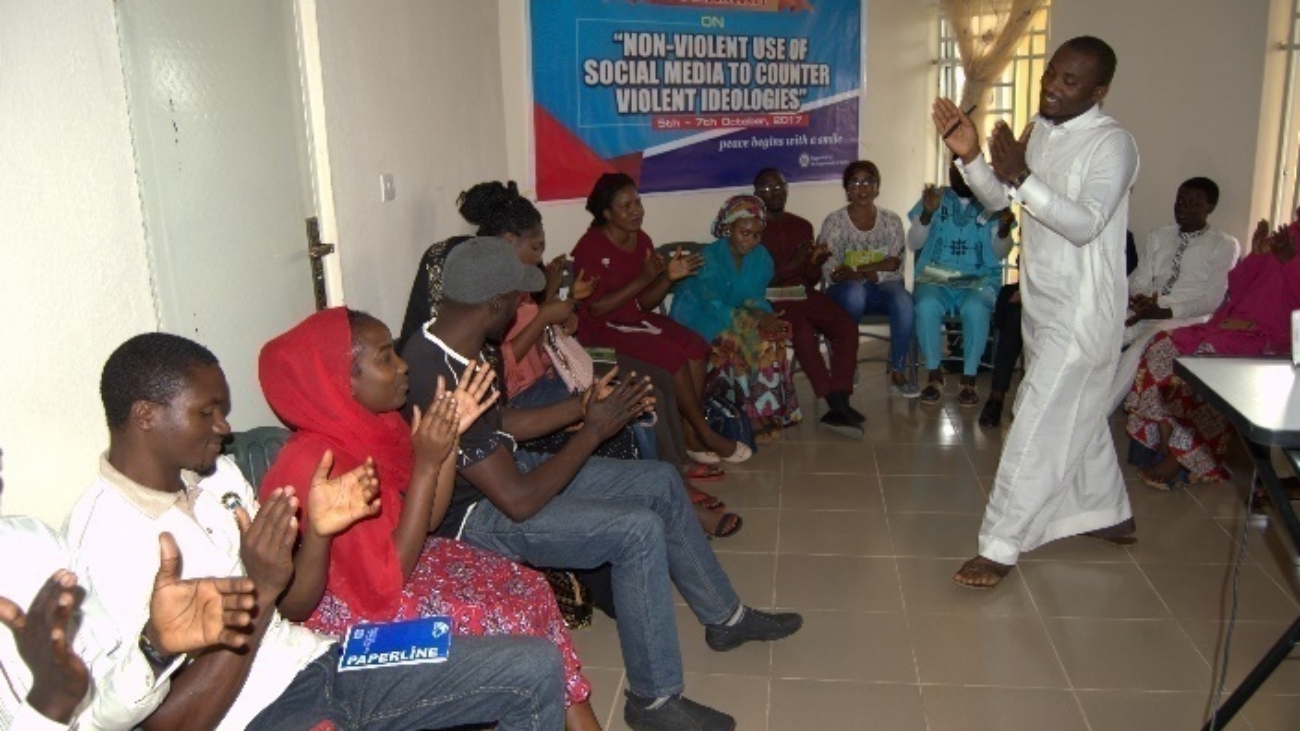
The JISRA programme aims to address and transform intra-, inter-, and extra religious dynamics in Nigeria to promote Freedom of Religion and Belief (FoRB). The activities under the three pathways are interrelated and designed to connect with each other to significantly reduce FoRBs and FoRBs-related conflicts in target locations and foster peaceful co-existence in the ten Local Government Areas situated in Kaduna and Plateau states of Nigeria. The programme will leverage on the role of a variety of actors, including religious leaders, young women and men from different religious and ethnic backgrounds and civil society, to identify, reflect, and build upon specific entry points for interreligious, interreligious, and extra religious engagement and promote an inclusive, tolerant, and flourishing society in Nigeria.

NON-VIOLENT NETWORK

Inclusive Religious Engagement in Nigeria Enhanced by Women (I-RENEW)

Project Status: Completed

Inclusive Religious Engagement in Nigeria Enhanced by Women (I-RENEW)

Start Date

May 2023

End Date

December 2024

Focus Area

Promote and protect human rights and fundamental freedoms in Nigeria

Funded By

I-RENEW

Project Location

Jos Plateau State

I-RENEW: Inclusive Religious Engagement in Nigeria Enhanced by Women is aimed to promote and protect human rights and fundamental freedoms in Nigeria. It fulfils the call’s specific objective of attaining one of the strategic priorities for EU action on human rights and democracy, namely FoRB.

To this end, the action will support relevant institutions, religious leaders and faith-based organizations as well as communities to address key issues such as peacebuilding, human rights, violent extremism, and religious polarization, with a strong focus on the participation of women and youth. On the institutional level, the action will engage policy makers and influential journalists to better engage with and report on religious issues. The action will seek to strengthen the existing capacities of key religious leaders, particularly women, to become effective advocates for religious freedom and inclusion in Nigeria.

Search for Common Ground-Belgium (Search), in partnership with Search for Common Ground-USA, the Federation of Muslim Women’s Association in Nigeria (FOMWAN), and Dialogue Reconciliation and Peace (DREP) Centre, are currently implementing the 24-month action with an overall goal of empowering women religious actors and youth activists to promote freedom of religion or belief (FoRB) and inter and intrareligious peaceful coexistence in Plateau and Kaduna States.